How to repair dry hair after winter
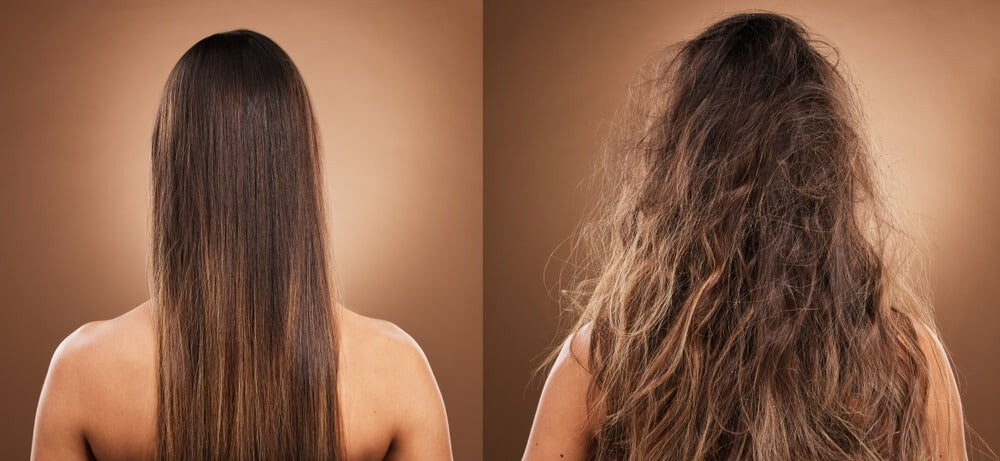
Cold air, indoor heating, reduced humidity, and frequent heat styling create the perfect storm for winter hair dehydration. By the time spring approaches, many people notice rough texture, static, dullness, split ends, and even increased shedding. This is not simply a cosmetic issue. Seasonal dryness disrupts the cuticle layer, weakens internal protein bonds, and affects scalp balance.
Post winter hair care is not about adding temporary shine. It requires structural repair, moisture restoration, and recalibrating your entire hair hydration routine. When dryness is ignored, it progresses into breakage, thinning appearance, and compromised growth cycles.
This guide explains how to approach dry hair repair from a trichology perspective, using protein restructuring, deep conditioning systems, scalp support, and professional-grade Brazilian treatments available at Belas Store.
Why does hair become severely dry after winter?
Winter dryness is multi-layered:
-
Low humidity reduces water retention in the cortex
-
Indoor heating strips surface moisture
-
Frequent blow-drying increases protein fatigue
-
Reduced scalp circulation impacts sebum distribution
-
Static electricity lifts the cuticle
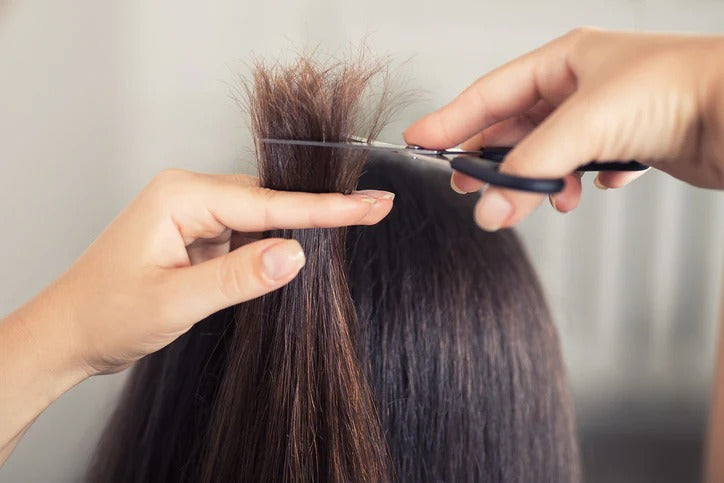
When the cuticle remains lifted, moisture escapes rapidly. Over time, porosity increases, which leads to brittle strands and split ends.
Repairing dry hair after winter begins with understanding the difference between dehydration and structural damage. This distinction determines which treatments are necessary.
Now let us examine how to diagnose your hair condition accurately.
How to know if your hair needs hydration or protein repair?

A quick diagnostic approach used in professional trichology:
Signs of dehydration
-
Hair feels rough but still stretches slightly
-
Dull appearance
-
Increased frizz
-
Static buildup
-
Improved texture temporarily after conditioning
Signs of protein depletion
-
Excessive elasticity when wet
-
Weakness during brushing
-
Breakage mid-shaft
-
Limp strands with no resilience
-
Difficulty holding styles
If both symptoms are present, a combined strategy is required. Most post-winter cases need both moisture and structural reinforcement. This is where Brazilian protein systems and deep conditioning treatments work together.
Step one: Reset the scalp before repairing the hair fiber
Healthy hair growth depends on scalp balance. Winter dryness often causes tightness, flaking, or excessive oil rebound. Ignoring scalp health limits the effectiveness of any hair mask or keratin treatment.
A proper reset includes:
-
Gentle cleansing with sulfate-conscious formulas
-
Avoiding over-exfoliation
-
Supporting barrier recovery
-
Restoring hydration balance
Scalp normalization prepares the hair for deeper repair treatments. With the foundation restored, fiber reconstruction becomes more effective.
How to rebuild dry hair structure after winter?
Severely dry hair often lacks both moisture and protein alignment. Brazilian protein systems are particularly effective because they combine plant proteins, amino acids, and lipid-rich oils.
Belas Sleeker Plus Ultra Control Brazilian Hair Protein contains:
-
Vegetable protein for fiber reinforcement
-
Amino acids to strengthen internal bonds
-
Tannic acid technology to promote heat-activated alignment
-
12 organic oils including argan, avocado, coconut, and macadamia
This combination helps reduce porosity and smooth the cuticle, which improves shine retention and elasticity.
For blonde or color-treated hair, Sleeker Plus Ultra Control Violet includes amino violet technology to preserve tone while rebuilding structure.
Protein restructuring restores integrity, but hydration must follow to prevent stiffness. That leads us to moisture replenishment.
What is the ideal hair hydration routine after winter?
A strategic hair hydration routine should include:
-
Weekly deep conditioning mask
-
Leave-in moisture support
-
Lightweight oil sealing
-
Controlled heat exposure
Deep conditioning options such as Aya Brazil Glossy Perfect Mask or Sleeker Plus Flawless Hair Mass help replenish lipids and improve surface smoothness. These masks support elasticity without overwhelming the hair.
After rinsing, applying a leave-in treatment such as Sleeker Magic Multi-Action Spray provides hydration retention and heat protection. Leave-ins act as moisture barriers, preventing rapid evaporation during styling.
Finally, sealing with a nourishing oil like Dream Care Nourishing Hair Oil locks hydration into the fiber while smoothing split ends.
Moisture retention is the key to long-term repair rather than temporary softness.
How to prepare your hair for an at-home keratin or protein treatment?
For optimal results, preparation matters.
Step-by-step preparation
-
Clarify hair to remove buildup
-
Dry completely before product application
-
Section evenly for consistent distribution
-
Apply mask 1 cm away from scalp
-
Respect processing time
-
Rinse according to hair type
-
Seal with controlled heat
Heat activates structural realignment. Using a professional tool such as the Lizze Extreme Titanium Flat Iron ensures even temperature distribution, which minimizes micro-damage.
Preparation determines how long the repair effects last. Poor preparation leads to uneven results.
How often should you perform dry hair repair treatments?

Frequency depends on hair condition.
-
Severe dryness with breakage: every 8 to 12 weeks for protein restructuring
-
Moderate dehydration: monthly deep conditioning
-
Maintenance phase: weekly hydration mask
Overuse of protein can lead to stiffness. Overuse of moisture without protein can cause elasticity imbalance. Balance is essential in post winter hair care.
Monitoring elasticity, shine retention, and breakage rate helps determine treatment intervals.
The role of collagen and advanced reconstruction systems
Chemically treated or heavily damaged hair may require deeper restoration. Systems such as Oil Therapy NCC Kit include collagen nano molecules and omega complexes to provide intensive recovery.
Collagen supports fiber density and elasticity. Omega 3, 6, and 9 lipids enhance hydration and reduce surface roughness. The multi-step system allows customization depending on damage severity.
For hair weakened by bleaching or chemical exposure, OT BIO Reset SOS Miracle Reconstructive Spray & Cream assists in fiber rebuilding and keratin support. This two-phase approach strengthens hair from within while smoothing externally.
These advanced treatments are particularly beneficial for hair that experienced winter dryness combined with chemical processing.
Can winter dryness cause increased hair shedding?
Yes, indirectly. Winter stress can:
-
Tighten the scalp
-
Reduce circulation
-
Increase breakage mistaken for shedding
-
Weaken fragile ends
True hair loss involves follicular activity. Breakage involves shaft damage. Addressing hydration and structural strength reduces visible thinning caused by breakage.
For those seeking a hair growth solution, scalp balance and fiber integrity must be restored first. Anti hair loss routines are ineffective if breakage remains unaddressed.
Heat styling after winter repair: what to change?
After restoring moisture and protein balance, styling habits must adapt.
Professional recommendations include:
-
Lowering flat iron temperature
-
Using titanium plates for even heat
-
Applying heat protection consistently
-
Avoiding repeated passes on the same strand
The Lizze Extreme Professional Flat Iron allows efficient straightening with fewer passes, reducing exposure time. Less exposure means less moisture loss.
Heat control protects repair results from reversing.
Nutrition and external care synergy
Hair fiber quality reflects internal health. Protein intake, omega fatty acids, hydration levels, and micronutrients influence shaft strength and shine.
External care should complement internal nutrition. Combining structured salon-grade treatments with consistent daily routines yields measurable improvement in texture and resilience.
Hair science confirms that repeated controlled conditioning reduces cumulative damage over time.
Common mistakes in post winter hair repair
-
Jumping directly to keratin without scalp reset
-
Using heavy oils on dehydrated but protein-depleted hair
-
Applying high heat to porous strands
-
Skipping leave-in protection
-
Ignoring split ends
Correct sequencing ensures progressive improvement instead of temporary masking.
Building a long-term recovery plan

A complete recovery plan includes:
-
Scalp normalization
-
Structural protein support
-
Deep conditioning cycles
-
Leave-in hydration
-
Heat management
-
Lightweight oil sealing
Consistency determines success. Hair regeneration is gradual, not immediate.
With the structure rebuilt and moisture balanced, hair regains softness, shine, and elasticity.
Conclusion
Repairing dry hair after winter requires more than a single mask. It involves restoring scalp balance, rebuilding protein structure, replenishing hydration, and protecting strands during styling. Professional-grade Brazilian protein treatments, deep conditioning masks, collagen-based reconstruction systems, and protective leave-ins available through Belas Store provide a structured pathway toward lasting recovery.
Explore the curated hair repair systems, hydration treatments, and professional styling tools on Belas Store to build a scientifically supported routine tailored to your hair’s post-winter needs.