Is Hair Protein Treatment Right for You? Full 2026 Guide
Hair protein treatments have evolved significantly over the past decade. In 2026, they are no longer viewed as quick-fix smoothing services but as structured reconstruction systems designed to restore internal fiber strength, reduce porosity, and improve surface alignment. Still, one critical question remains for many people: Is a hair protein treatment actually right for your hair type and condition?
Understanding the answer requires more than knowing the basic hair protein treatment benefits. It involves analyzing hair structure, elasticity balance, chemical history, porosity level, and long-term styling habits.
This comprehensive guide explains how protein for damaged hair works, who should consider it, who should avoid it, and how to choose the correct formula using professional-grade Brazilian systems available at Belas Store.
What is a hair protein treatment in 2026?

A modern hair protein treatment is a fiber-restructuring system that introduces plant proteins, amino acids, and bonding-support ingredients into the hair shaft. These treatments aim to:
-
Reinforce weakened keratin structures
-
Reduce excessive elasticity
-
Improve cuticle alignment
-
Support long-term smoothness
-
Decrease breakage
Unlike traditional keratin coatings that primarily focus on surface smoothing, advanced protein systems work both internally and externally.
For example, Brazilian formulations such as Belas Sleeker Plus Ultra Control combine vegetable protein, amino acids, tannic acid technology, and 12 organic oils to support fiber rebuilding while enhancing manageability.
To determine suitability, it is essential to understand how hair structure responds to protein.
How does protein repair damaged hair?
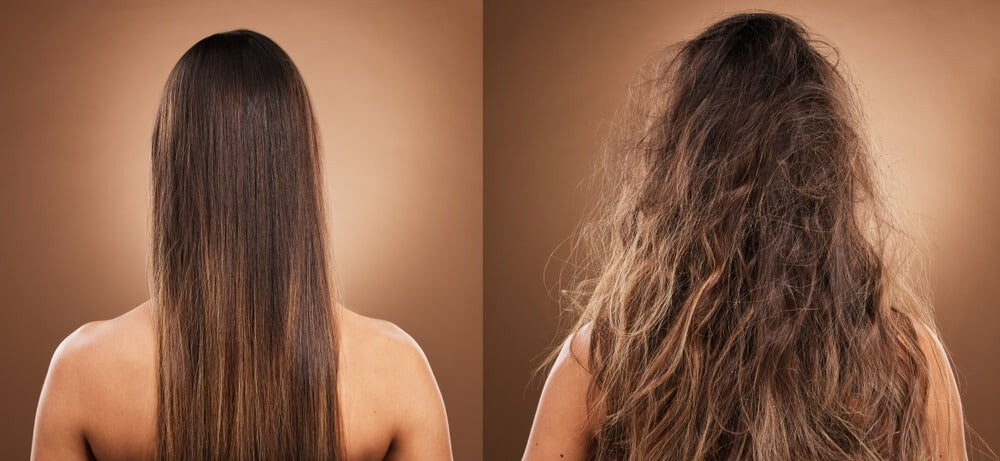
Hair is primarily composed of keratin protein. Chemical processing, heat styling, UV exposure, and mechanical stress break down keratin bonds, creating internal gaps within the cortex.
When these gaps increase:
-
Hair becomes porous
-
Elasticity becomes unstable
-
Moisture escapes quickly
-
Breakage increases
Protein treatments temporarily fill weakened areas, reinforce structural integrity, and improve resilience. Ingredients such as plant proteins and amino acids help rebuild the internal matrix, while tannic acid technology assists in thermal realignment during heat activation.
This structural reinforcement explains why protein for damaged hair improves strength, reduces frizz, and enhances shine retention.
However, not all hair types need protein.
How do you know if your hair needs protein?
Use this professional diagnostic checklist.
Signs your hair needs protein
-
Excessive stretch when wet
-
Breakage during brushing
-
Difficulty maintaining smooth styles
-
Limp texture with no structure
-
High porosity
-
Chemical damage from coloring or bleaching
Signs your hair does not need protein
-
Stiff, brittle feel
-
Lack of elasticity but no breakage
-
Recent protein treatment within 8 to 10 weeks
-
Hair already feels strong and resilient
If your hair stretches excessively before snapping, protein support is likely beneficial. If it snaps immediately without stretch, moisture imbalance may be the primary issue.
This distinction is essential before choosing a hair smoothing solution.
What are the main hair protein treatment benefits?
A properly selected treatment can deliver measurable improvements.
1. Structural reinforcement
Protein strengthens weakened fibers and reduces mid-shaft breakage.
2. Reduced porosity
By supporting internal density, protein decreases rapid moisture loss.
3. Improved smoothness
Aligned cuticles create a sleeker surface.
4. Enhanced shine
Smoother cuticles reflect light more evenly.
5. Better style retention
Strengthened fibers hold shape longer.
These results depend on correct application and post-treatment maintenance.
Now let us examine who benefits most.
Is protein treatment good for chemically treated hair?
Yes, especially after bleaching, coloring, or relaxing.
Color-treated and blonde hair often experience structural protein loss. Specialized systems such as Belas Sleeker Plus Ultra Control Violet are designed specifically for blonde and dyed hair. This version includes amino violet technology to support tone balance while reinforcing damaged fibers.
For severely processed hair, multi-step systems like Oil Therapy NCC Kit provide collagen nano molecules and omega complexes to support deeper recovery. Collagen enhances elasticity, while essential fatty acids help restore lipid balance.
Chemically treated hair typically benefits from protein restructuring every 8 to 12 weeks, depending on damage severity.
However, timing and technique matter significantly.
How to prepare your hair for a protein treatment?
Preparation directly affects treatment performance.
Professional preparation steps
-
Wash hair with a clarifying shampoo
-
Dry completely before product application
-
Section hair evenly
-
Apply product 1 cm away from the scalp
-
Respect processing time
-
Rinse according to hair type
-
Activate with controlled heat
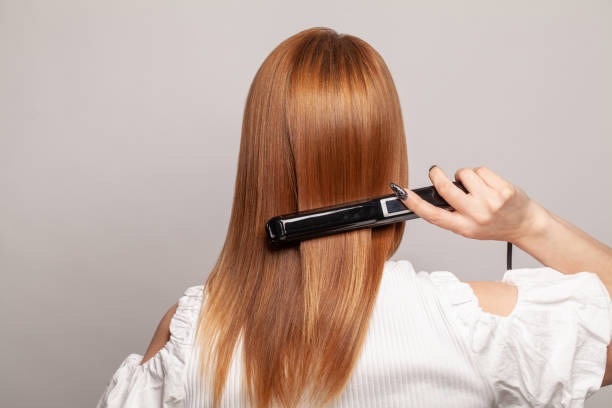
Heat activation is crucial for treatments that use tannic acid realignment technology. A professional tool such as the Lizze Extreme Titanium Flat Iron ensures even heat distribution and reduces uneven fiber stress.
Skipping preparation steps can lead to inconsistent results.
How long does a protein treatment last?
Results typically last between 2 and 4 months depending on:
-
Hair porosity
-
Washing frequency
-
Heat styling habits
-
Aftercare routine
Using supportive products such as Sleeker Magic Leave-In Spray helps protect the fiber from humidity and heat, extending smoothness.
Lightweight sealing oils like Dream Care Nourishing Hair Oil maintain cuticle smoothness without creating buildup.
Maintenance determines longevity.
Can protein treatments cause stiffness?

Yes, if misused.
Excess protein leads to:
-
Reduced flexibility
-
Increased brittleness
-
Surface rigidity
-
Dull appearance
Balance is critical. Protein restores structure, but moisture restores flexibility. Combining protein with deep conditioning masks such as Sleeker Plus Flawless Hair Mass or Aya Brazil Glossy Perfect Mask helps maintain elasticity.
Professional evaluation prevents overuse.
Protein vs keratin: what is the difference?
This is a common search query in 2026.
Protein treatment
Focuses on fiber reconstruction and strengthening.
Keratin treatment
Primarily smooths and coats the surface for frizz reduction.
Modern Brazilian systems often combine both concepts by reinforcing structure while promoting alignment. Understanding your goal determines which option is more appropriate.
If your primary concern is breakage and weakness, protein is more relevant. If the focus is temporary smoothness only, keratin may suffice.
Is protein treatment suitable for fine hair?
Fine hair can benefit from protein if damage exists. However, heavy formulas may weigh strands down.
In such cases:
-
Use compact formats like the 150 ml versions of Sleeker Plus
-
Avoid over-processing
-
Combine with lightweight leave-in protection
Fine hair requires precise dosing and moderate heat.
Can protein treatment support hair growth?
Protein treatments do not directly stimulate follicles. They reduce breakage, which improves length retention.
If hair appears thinner due to breakage, strengthening the shaft will enhance visual density. True growth support involves scalp health and internal nutrition.
Combining scalp-focused routines with structural repair yields better overall results.
When should you avoid protein treatments?
Avoid protein if:
-
Hair feels brittle and stiff
-
Recent protein was applied
-
Elasticity is low without damage
-
Hair has low porosity but no breakage
In such cases, prioritize hydration.
How to build a balanced routine after protein treatment?
A structured maintenance plan includes:
-
Sulfate-conscious cleansing
-
Weekly hydration mask
-
Daily leave-in protection
-
Heat management
-
Lightweight oil sealing
Consistency maintains results longer than excessive retreatment.
Common mistakes in 2026 protein treatments

-
Applying to overly dry or dirty hair
-
Using excessive heat
-
Repeating treatment too frequently
-
Skipping hydration maintenance
-
Choosing the wrong formula for hair type
Precision improves outcomes significantly.
Final evaluation: is hair protein treatment right for you?
Protein treatment is ideal if your hair shows:
-
Chemical damage
-
High porosity
-
Breakage
-
Weak structure
-
Difficulty holding styles
It may not be necessary if your hair is already strong and simply dehydrated.
When selected appropriately, modern Brazilian systems provide measurable improvement in fiber integrity, smoothness, and long-term manageability.
Conclusion
A hair protein treatment is not a universal solution but a targeted reconstruction system. When used correctly, it strengthens damaged fibers, reduces porosity, enhances smoothness, and improves resilience. The key lies in proper diagnosis, balanced hydration, and professional-grade formulations.
Belas Store offers structured Brazilian protein systems, violet formulas for color-treated hair, collagen-based reconstruction kits, and professional styling tools designed to support safe and effective application. Exploring these systems allows you to build a scientifically aligned routine tailored to your hair’s condition in 2026.