How to Achieve the 2026 "Glass Hair" Trend at Home
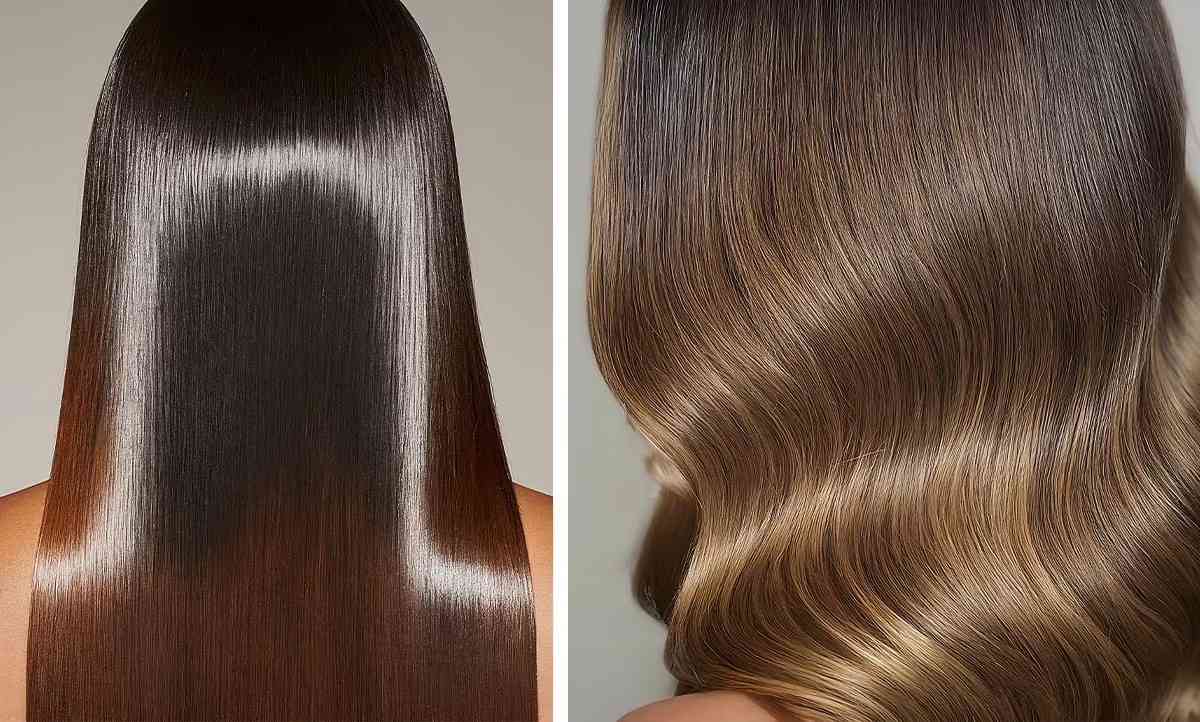
The glass hair trend 2026 is not just about straight hair. It is about achieving a surface so smooth, aligned, and reflective that hair appears almost mirror-like under light. This ultra-sleek finish has dominated fashion runways, red carpets, and social platforms because it combines precision styling with visible hair health.
Many people assume this level of shine is only possible at the salon. In reality, the look depends less on styling tricks and more on structural hair preparation, correct heat protection, and the right professional styling tools. When the hair fiber is smooth and properly sealed, light reflects evenly, creating the glossy, glass-like appearance.
This guide explains how to create a sleek hair routine at home using Brazilian protein technology, surface-smoothing treatments, and high-performance tools that support long-lasting shine.
What exactly is glass hair and why is it trending in 2026?
Glass hair refers to ultra-straight, deeply smooth hair with a high-gloss finish. Unlike traditional straightening styles, this trend focuses on:
-
Uniform alignment from roots to ends
-
Minimal frizz or flyaways
-
Strong light reflection
-
A silky but structured shape
The reason it is trending is simple. Modern beauty aesthetics lean toward polished minimalism. Hair that looks healthy, reflective, and precise complements clean makeup, structured outfits, and high-definition photography.
This is where preparation becomes more important than styling alone.
Why preparation matters more than styling tools

Flat irons can create temporary smoothness, but if the hair surface is porous, dry, or uneven, shine disappears quickly. Friction, humidity, and environmental exposure break the polished effect within hours.
To achieve shiny hair at home, the hair fiber needs three conditions:
-
Internal strength so strands stay aligned
-
Cuticle sealing to create a smooth surface
-
Moisture balance to prevent frizz and dullness
Brazilian protein treatments are designed to improve these structural conditions before heat styling even begins.
How does Brazilian protein help create glass hair?
Brazilian protein systems work by reinforcing the hair fiber and realigning the cuticle under heat. Treatments like Belas Sleeker Plus Ultra Control Brazilian Hair Protein Mask are formulated with vegetable protein, amino acids, tannic acid, and nourishing oils that help:
-
Fill weakened areas in the hair shaft
-
Reduce porosity
-
Improve strand alignment
-
Increase natural shine retention
When heat is applied during styling, tannic acid technology supports smoother structural positioning of the hair fiber. This makes straightening easier and helps maintain a reflective surface longer.
For blonde or color-treated hair, Sleeker Plus Ultra Control Violet Protein Mask adds tone-balancing support while delivering the same smoothing benefits.
Step 1: Build a smooth foundation with a protein treatment
The glass hair effect begins before styling day. A protein treatment creates a controlled base that responds better to heat tools.
Application overview
-
Clarify the hair to remove buildup
-
Blow-dry completely before treatment
-
Apply the protein mask evenly, avoiding the scalp
-
Allow the formula to process fully
-
Rinse partially based on hair type
-
Blow-dry and seal with a flat iron
This process strengthens the internal structure and smooths the outer layer. Hair feels denser, softer, and more aligned, which is essential for mirror-like shine.
Step 2: Maintain surface smoothness between treatments
Protein treatments provide structure, but maintenance ensures the surface remains polished.
Masks such as Sleeker Plus Flawless Hair Mass or Aya Brazil Glossy Perfect Mask help preserve:
-
Cuticle alignment
-
Elasticity
-
Hydration balance
-
Light reflectivity
Consistent conditioning reduces the chance of raised cuticles that scatter light and dull the finish.
How to get glass hair at home without causing heat damage?
High shine should never come at the expense of hair integrity. Heat damage roughens the cuticle, which reduces gloss.
To protect the hair while styling:
-
Always apply a heat protection leave-in
-
Use moderate heat when possible
-
Work in small, controlled sections
-
Avoid repeated passes on the same strand
Sleeker Magic Multi-Action Leave-In Spray forms a protective barrier that reduces moisture loss during styling and helps maintain smoothness in humid conditions.
Heat protection is what allows shine to last beyond the first hour.
Step 3: Choose the right professional styling tool
Professional styling tools are critical for the sleek hair routine because plate material and heat consistency affect shine.
Titanium plates, such as those in the Lizze Extreme Professional Flat Iron, distribute heat evenly and allow smooth gliding without snagging. Even pressure and stable temperature prevent micro-damage that can disrupt the reflective surface.
Key technique tips:
-
Blow-dry hair fully before straightening
-
Use tension while gliding the iron down each section
-
Work slowly to allow heat to seal the cuticle
-
Finish with a cool shot of air to set the style
Controlled technique enhances shine without overexposing hair to heat.
Why oils are essential for the glass finish
After straightening, the hair surface benefits from a lightweight finishing oil. The purpose is not greasiness but micro-sealing.
Oils such as Dream Care Nourishing Hair Oil help:
-
Smooth microscopic surface irregularities
-
Enhance light reflection
-
Reduce static
-
Maintain softness
A few drops warmed between the palms and applied to the lengths provide the final gloss layer.
For color-treated hair, Color Care Hair Oil adds protection while preserving vibrancy.
Common mistakes that prevent mirror-like shine

Many people struggle to achieve glass hair because of small routine errors:
-
Using heavy styling creams that weigh hair down
-
Applying oils before straightening instead of after
-
Straightening hair that is not fully dry
-
Skipping protein support for weakened strands
-
Using low-quality flat irons with uneven heat
Correcting these habits dramatically improves smoothness and shine longevity.
How often should you repeat the process?
Protein treatments are typically spaced every few months depending on hair condition. Maintenance masks and leave-ins support results weekly.
Daily routine for glass hair maintenance:
-
Gentle cleansing
-
Moisture-focused conditioner
-
Lightweight leave-in with heat protection
-
Controlled heat styling
-
Light oil finishing
This routine preserves both structure and gloss.
Can glass hair work on textured or wavy hair types?
Yes, but preparation becomes even more important. Textured hair tends to have higher porosity and more surface variation, which can scatter light.
Protein treatments help reduce unevenness, and proper blow-drying technique creates a smoother base before flat ironing. With the right preparation, even naturally wavy or curly hair can achieve a reflective finish.
Conclusion
The shiny hair trend 2026 is not driven by styling alone. It is the result of combining structural repair, surface smoothing, controlled heat styling, and intelligent finishing techniques. Brazilian protein technology, professional-grade heat protection, and advanced styling tools make it possible to recreate the glass hair look at home without compromising hair health.
Explore the professional Brazilian protein systems, smoothing masks, protective leave-ins, and precision styling tools available at Belas Store to build a routine that delivers sleek, mirror-shine hair with lasting smoothness.
Key Takeaways
-
Glass hair depends on cuticle alignment and internal strength
-
Brazilian protein improves structure for long-lasting smoothness
-
Heat protection is essential for preserving shine
-
Titanium styling tools support even sealing of the hair surface
-
Lightweight oils create the final reflective finish