What is protein treatment for hair? How does it work?
Dryness, breakage, and persistent frizz are no longer occasional hair concerns. For many women, they have become part of daily life, especially after years of heat styling, coloring, environmental exposure, and inconsistent routines. As these issues build up, one question appears repeatedly in search results and consultations alike: What is protein treatment for hair, and is it actually good for damaged hair?
Protein treatments are widely discussed, yet often misunderstood. Some consider them a miracle solution, while others avoid them entirely due to fear of stiffness or damage. In reality, protein treatments are neither universally good nor harmful by default. Their effectiveness depends on understanding how they work, when they are needed, and how they fit into a balanced hair care routine.
This guide breaks down hair protein treatment from a technical yet practical perspective. It explains how protein interacts with the hair fiber, who truly benefits from it, common mistakes to avoid, and how professional-grade solutions like Sleeker Plus are designed to deliver controlled, safe results for home use.
What is a protein treatment for hair?
A protein treatment is a targeted hair care process designed to restore structural strength to weakened hair. Human hair is composed primarily of keratin, a fibrous protein responsible for resilience, elasticity, and shape retention.
Over time, keratin degrades due to external and internal stressors, including:
-
Frequent heat styling
-
Chemical treatments such as coloring or bleaching
-
UV exposure and pollution
-
Mechanical stress from brushing and tight styles
-
Poor moisture and scalp balance
When this protein structure weakens, hair begins to lose its ability to hold shape, resist breakage, and maintain smoothness. Protein treatments aim to compensate for this loss by reinforcing weak points within the hair fiber.
Unlike conditioners that focus on surface softness, protein treatments address internal damage, making them a corrective rather than cosmetic solution.
How does protein work inside the hair fiber?
To understand how protein treatments function, it helps to look at the internal structure of hair. Each strand consists of multiple layers, with the cortex being the most critical for strength and flexibility.
The cortex contains keratin chains linked by bonds that provide tensile strength. When these bonds weaken or break, hair becomes:
-
Fragile
-
Prone to snapping
-
Rough to the touch
-
Difficult to style
-
Less responsive to heat shaping
Protein treatments use hydrolyzed proteins and amino acids. These molecules are processed into smaller sizes so they can penetrate the hair cuticle and reach the cortex. Once inside, they temporarily reinforce compromised areas, improving resistance and stability.
This internal reinforcement is what distinguishes protein treatments from smoothing creams or surface sealers.
Is protein good for hair, or can it cause damage?

Protein is beneficial when hair lacks strength, but excessive or unnecessary protein can disrupt balance. Hair health depends on a precise relationship between protein and moisture.
Protein is beneficial when hair:
-
Breaks easily during brushing
-
Feels weak or limp
-
Loses shape quickly after styling
-
Appears uneven or dull despite conditioning
Protein can feel counterproductive when hair:
-
Becomes stiff or brittle
-
Feels dry even after moisturizing
-
Loses flexibility
These reactions usually indicate protein overload rather than protein damage. The issue is not protein itself, but imbalance.
This is why formulation quality and application frequency matter more than the concept of protein alone.
Who benefits most from protein treatments?
Protein treatments are particularly effective for women with:
-
Dry or damaged hair
-
Color-treated or chemically processed hair
-
Frizzy hair caused by structural weakness
-
Hair that snaps instead of stretches
-
Difficulty maintaining styled looks
In these cases, protein treatments act as a hair smoothing solution by strengthening the internal structure rather than masking damage with heavy coatings.
Hair that already has good elasticity and strength may only require protein occasionally or not at all.
What makes Brazilian protein treatments different?
Brazilian protein treatments are known for their balanced approach. Instead of relying on high concentrations of hard keratin alone, they combine structural proteins with conditioning agents.
This approach allows Brazilian protein systems to:
-
Strengthen hair without excessive rigidity
-
Improve smoothness and manageability
-
Support styling without flattening volume
-
Maintain flexibility over time
This balance makes Brazilian protein treatments suitable for controlled home use when formulated responsibly.
How Sleeker Plus fits into professional-grade protein care
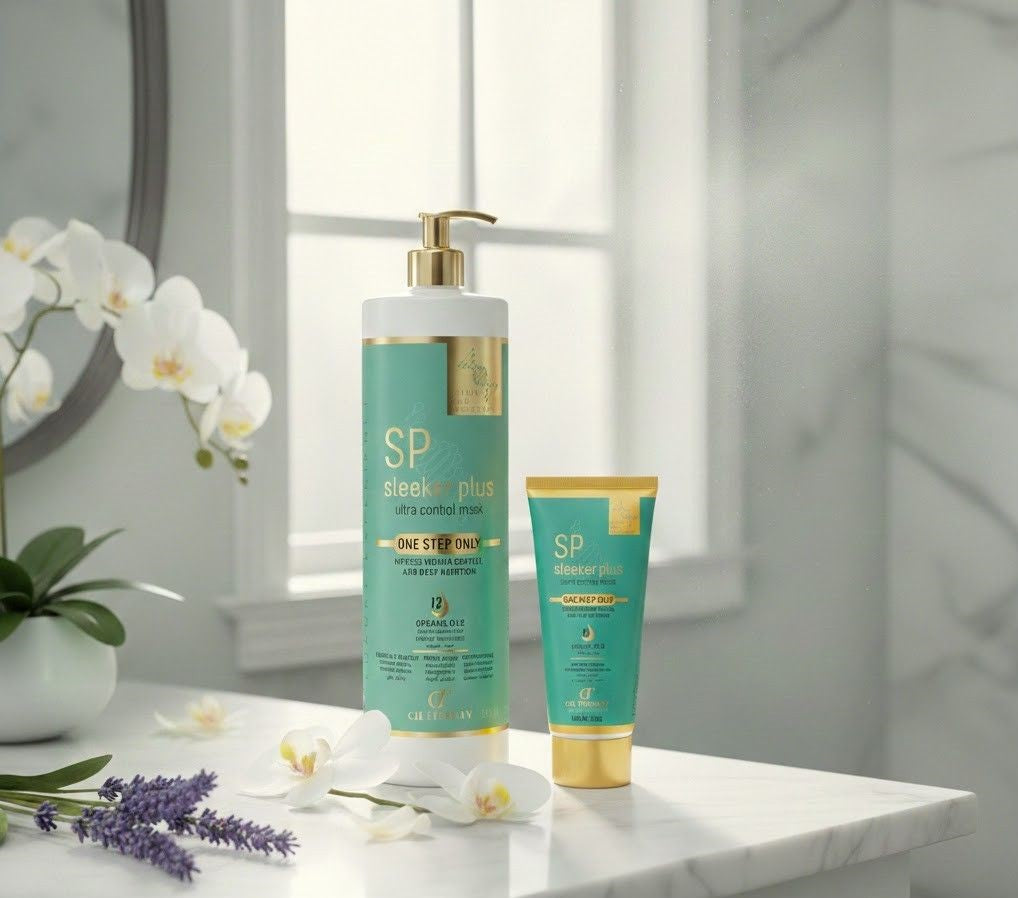
Sleeker Plus protein treatments are designed to deliver reinforcement without overwhelming the hair fiber. The formulations focus on controlled protein delivery supported by smoothing and conditioning components.
This makes Sleeker Plus suitable for:
-
Women new to protein treatments
-
Home application with professional intent
-
Regular maintenance rather than aggressive correction
Instead of forcing immediate transformation, Sleeker Plus supports gradual improvement in hair behavior, texture, and manageability.
This design philosophy aligns with sustainable hair care rather than short-term fixes.
Protein treatment vs keratin vs hair botox
These terms are often used interchangeably, but they serve different purposes.
Protein treatments:
-
Focus on strengthening internal structure
-
Improve resistance and durability
-
Reduce breakage over time
Keratin treatments:
-
Primarily smooth the surface
-
Improve shine and frizz control
-
May alter hair texture temporarily
Hair botox treatments:
-
Focus on hydration and elasticity
-
Improve softness and fullness
-
Do not significantly alter structure
Many advanced routines use protein first to restore strength, followed by hair botox to balance hydration.
How to use protein treatments correctly at home

Correct usage is essential for safe results.
Best practices include:
-
Starting with clean, residue-free hair
-
Following processing times precisely
-
Avoiding excessive heat during application
-
Spacing treatments based on hair response
Protein treatments are not meant for weekly use unless specifically indicated. Observing how hair feels after treatment guides proper frequency.
How often should protein treatments be used?
Frequency depends on hair condition:
-
Severely damaged hair: every 6 to 8 weeks
-
Moderately damaged hair: every 8 to 12 weeks
-
Maintenance use: only when signs of weakness return
Hair response matters more than fixed schedules.
Common mistakes when using protein treatments
Several habits reduce effectiveness:
-
Using protein too frequently
-
Applying protein to hair that only needs moisture
-
Skipping conditioning or masks afterward
-
Expecting permanent results from one session
Protein is corrective, not permanent. It supports repair but does not replace ongoing care.
How protein treatments support long-term hair health
When integrated correctly, protein treatments contribute to:
-
Reduced breakage over time
-
Improved texture consistency
-
Easier styling and shape retention
-
Better resilience against daily stress
This makes protein an essential component of advanced hair care routines for damaged or frizzy hair.
Why professional formulations matter for home use
Modern Brazilian protein formulations are designed for controlled home application. When instructions are followed, they allow consistent care without relying on frequent salon visits.
Home-use benefits include:
-
Flexibility
-
Cost efficiency
-
Better routine consistency
-
Progressive improvement
This approach supports sustainable results rather than extreme, short-lived outcomes.
Conclusion
Protein treatments are not trends or universal solutions. They are targeted tools designed to restore strength where hair has lost its internal support. Understanding how protein works, when to use it, and how to balance it with moisture is essential for real progress.
Professional-grade solutions like Sleeker Plus offer a safe, structured way to incorporate protein into a home hair care routine, especially for women dealing with dryness, damage, or frizz.
When used strategically, protein treatments help hair become stronger, smoother, and more manageable over time rather than overnight.